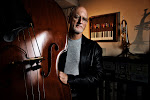
It doesn't take talent, it takes practice. Studies of good and great musicians seem to indicate that the masters simply practiced for more hours. In fact, the only "talent" seems to be a talent for putting up with endless hours of practice.
What about the famous child prodigies? They must have been born with talent, right? One analysis examines the biographies of well-known musicians and composers who bloomed very early, and they found that these "prodigies" often lived early lives of intense parental pressure and long hours of practice (without TV), so that they completed as many hours at their instrument by 12 years old as other musicians did when they were 20. It was all about putting in enough hours.
When my children left for college, I decided to become a competent jazz pianist. Someone told me that 1000 hours of practice were needed to become expert, so I started my tally of hours at the keyboard. I should have had a head start: I already knew how to read piano music, and I had a solid grasp of musical theory. I had played jazz on the guitar and other instruments. I pictured myself after my thousand hours, playing casual gigs on the piano.
After 3 years, I had completed my thousand hours of piano practice, but I wasn't any good. Perhaps my 48-year-old neurons couldn't learn the way that teen-aged nerve cells could. I put in another 500 hours. I still wasn't any good, so I gave it up on my 50th birthday.
Later on I learned that the theoretical hours of study and experience needed to acheive expert status in any area is actually ten thousand. Hours totalling 416 days, 24 hours a day. Two hundred and fifty 40-hour weeks, five years of full time effort (with 2 weeks off a year). At first this number seemed unreasonable, but it roughly equals a college degree plus grad school, or 5 years at a challenging job. The Ten Thousand figure was first given to me by a young geologist, but it would apply equally well to a doctor, and athlete, or a musician.
Ten Thousand Hours: the difference between a hobbyist and a master. Those of us who like to explore new and challenging skills need to accept the fact that we will be amateurs, doing it for love and interest. Becoming a master is for the young or the unemployed.
Saturday, April 11, 2009

Subscribe to:
Comments (Atom)